The Art of Balancing Softscapes and Hardscapes for Maximum Visual Impact Mar 26, 2026
Softscapes refer to the living elements of your landscape—plants, flowers, trees, and grass. These contribute color, texture, and movement to your garden. On the other hand, hardscapes involve the non-living elements such as walkways, patios, walls, and other structures. The synergy between softscapes and hardscapes is what makes a well-designed garden both functional and aesthetically pleasing.
When planning your landscape, start with a clear vision of what you want your outdoor space to look like. Consider the overall style of your home and how your landscape can complement it. Whether you prefer a modern minimalist design or a lush, traditional garden, defining a theme will guide your selection of softscapes and hardscapes.
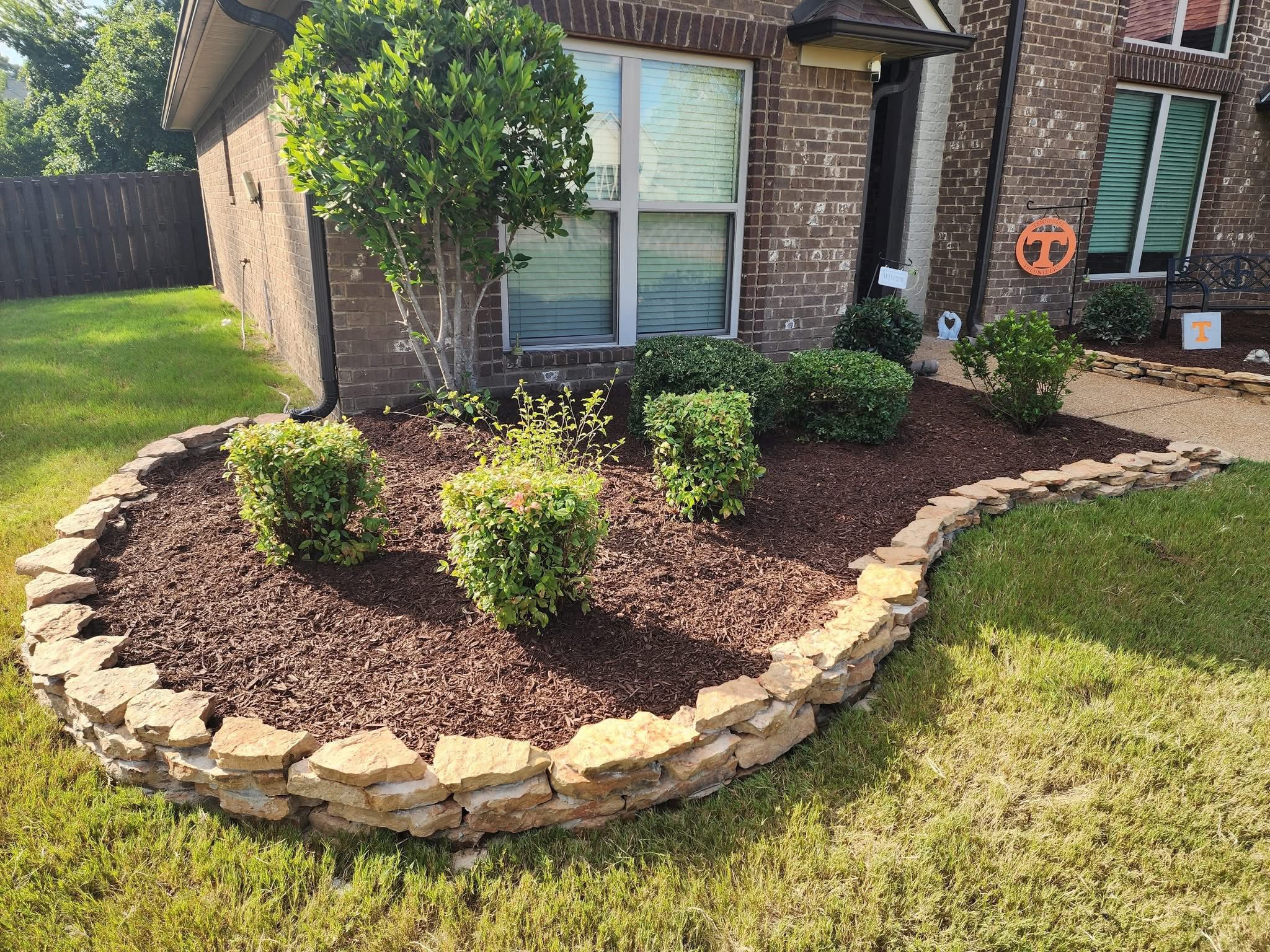
Begin by assessing the hardscape necessities. These structures provide the framework for your landscape and are difficult to change once in place. Choose materials and designs that will not only withstand the test of time but also enhance the natural beauty of your space. For instance, natural stone walkways blend beautifully with lush greenery, while sleek, concrete patios suit a contemporary design.
Next, concentrate on the softscapes. Think about the climate, sun exposure, and soil conditions of your area when selecting plants. Choosing native plants can reduce maintenance and ensure that your garden thrives. Consider the different seasons and how the garden will look year-round to maintain visual interest across all months.
The key to achieving balance lies in ensuring a fluid transition between the soft and hard elements. This might mean softening the edges of a patio with flower beds or using plant pots to break up large, paved areas. Properly integrated, softscapes transition the eye naturally from structural elements to the living components.
Color coordination is another important factor. Use plant colors to echo or contrast with hardscape materials. For example, bright flowers can be used to add warmth and contrast to a cool stone wall, creating depth and vibrancy in your garden.
Incorporating levels is an advanced strategy for maximizing visual impact. Utilize retaining walls or raised flower beds to add dimension and draw the eye upwards. This technique can make even small gardens feel expansive and dynamic by guiding visual movement.
The balance of softscapes and hardscapes also extends to scale and proportion. Large trees may overwhelm small pathways, while tiny shrubs might get lost next to imposing structures. Strive for proportionate relationships so that every element feels appropriately sized for both the garden as a whole and the surrounding environment.
Finally, don't forget functionality. Your landscape should reflect your lifestyle and practical needs. Include seating areas, play spaces, or outdoor kitchens that seamlessly integrate into the design.
Investing time in planning and designing your landscape can result in a harmonious outdoor sanctuary that enhances both the beauty and value of your home. At Kelso's Lawn Maintenance, we believe in crafting landscapes that not only captivate the eye but also provide enduring enjoyment and satisfaction. Whether you are revitalizing your garden or starting from scratch, understanding the art of balancing softscapes and hardscapes is pivotal to achieving maximum visual impact.
/filters:no_upscale()/filters:format(webp)/media/7e7f175c-b23f-4417-872e-08730e319075.jpeg)
/filters:no_upscale()/filters:format(webp)/media/f9241e1b-dea0-484d-aecd-1f9027e284fb.jpeg)