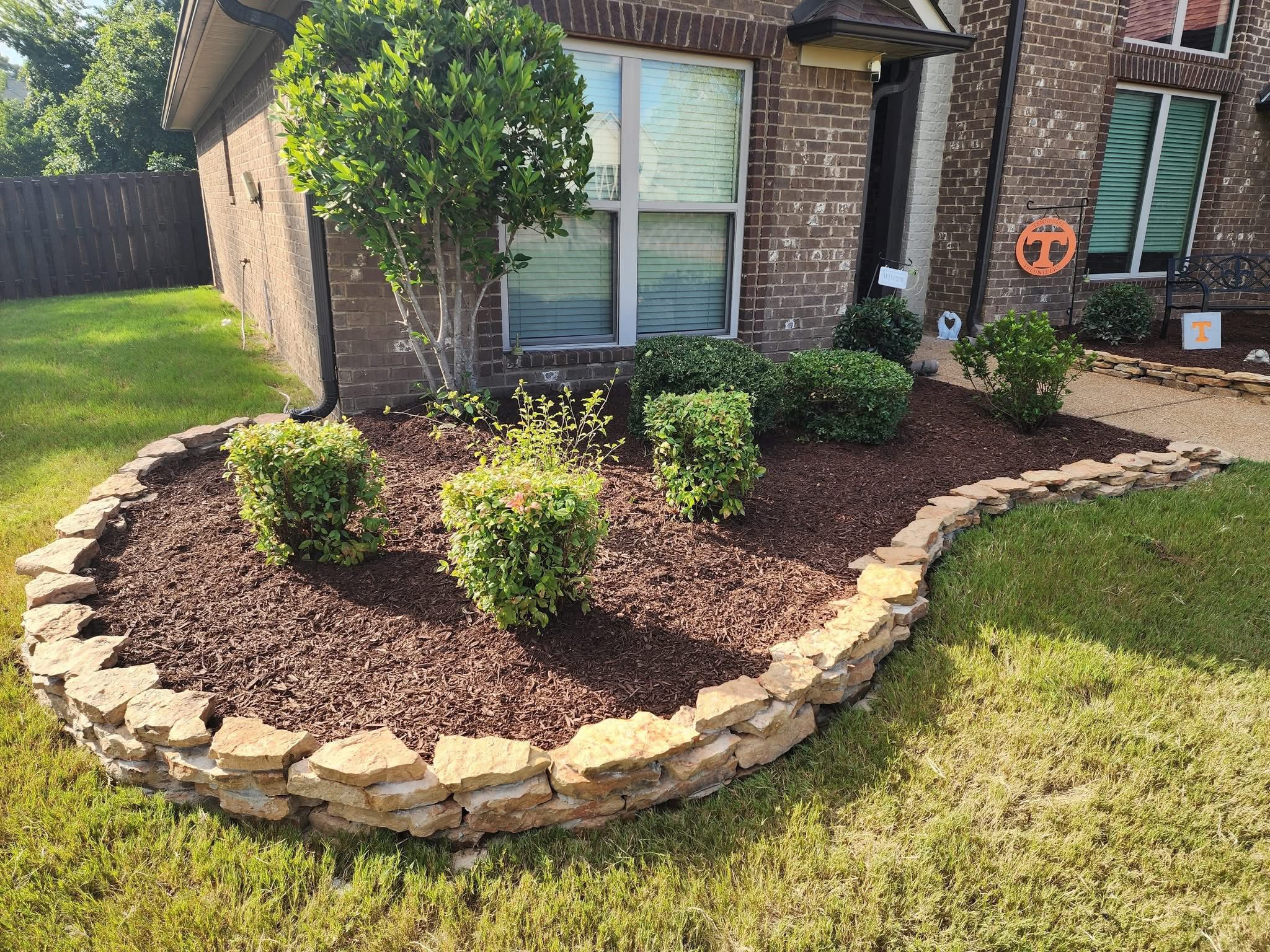
A Beginner's Guide to Landscape Composting: Turning Yard Waste into Green Gold May 25, 2026
First and foremost, understanding what can be composted is crucial. Composting primarily involves combining green waste, such as grass clippings and fruit scraps, with brown waste, like fallen leaves and small branches. It's essential to strike the right balance between these two materials to ensure your compost pile heats up and breaks down efficiently. An ideal compost mix would include roughly equal amounts of both green and brown materials, as this balance helps foster the microorganisms that decompose the organic matter.
To get started, find a suitable location for your compost pile or bin. Choose a spot in your yard that is easily accessible but not too conspicuous, as composting can initially create an unsightly heap. Many homeowners opt for a compost bin, which can neatly contain your materials and maintain an organized appearance. Kelso's Lawn Maintenance can assist in setting up a composting area that suits your landscape design while ensuring efficiency in the composting process.
Adding your compostable materials to the bin is the next step. Begin with a layer of coarse materials such as twigs or straw to encourage air flow at the base of the pile. Follow this with alternating layers of green and brown waste. It is essential to regularly turn the pile with a pitchfork or compost turner. This aerates the compost and assists in breaking down the organic matter faster by allowing beneficial bacteria to thrive.
Moisture is another key factor in successful composting. The compost pile should be as damp as a wrung-out sponge. Too much moisture can lead to a soggy, anaerobic environment that causes foul odors, while too little water can slow down the decomposition process. Regularly monitor the moisture level by squeezing a handful of compost material; if it feels dry, lightly water the pile.
As your compost matures, heating within the pile indicates active decomposition. Ideally, the internal temperature should range between 130 to 150 degrees Fahrenheit. This heat is a sign of microbial activity and is crucial for breaking down pathogens and weed seeds, ensuring the end product is safe for garden use.
Patience is vital, as the complete composting process can take several months. Once your compost turns dark and crumbly with an earthy smell, it is ready to use in your landscape. Spread this nutrient-rich material across your garden beds or mix it into the soil to improve fertility and promote healthy plant growth.
For customers of Kelso's Lawn Maintenance, landscape composting is a practical way to reduce waste and enrich your garden soil. Embracing this eco-friendly practice can lead to a healthier, more vibrant lawn and garden. Should you have questions or need assistance, the knowledgeable team at Kelso's Lawn Maintenance is always ready to guide you on your composting journey, ensuring your outdoor spaces thrive.
In conclusion, landscape composting is a rewarding activity that transforms yard waste into beneficial soil amendments. With the right techniques and regular maintenance, it becomes an invaluable component of gardening that not only enhances soil structure but also contributes to a more sustainable environment.
/filters:no_upscale()/filters:format(webp)/media/7e7f175c-b23f-4417-872e-08730e319075.jpeg)
/filters:no_upscale()/filters:format(webp)/media/f9241e1b-dea0-484d-aecd-1f9027e284fb.jpeg)